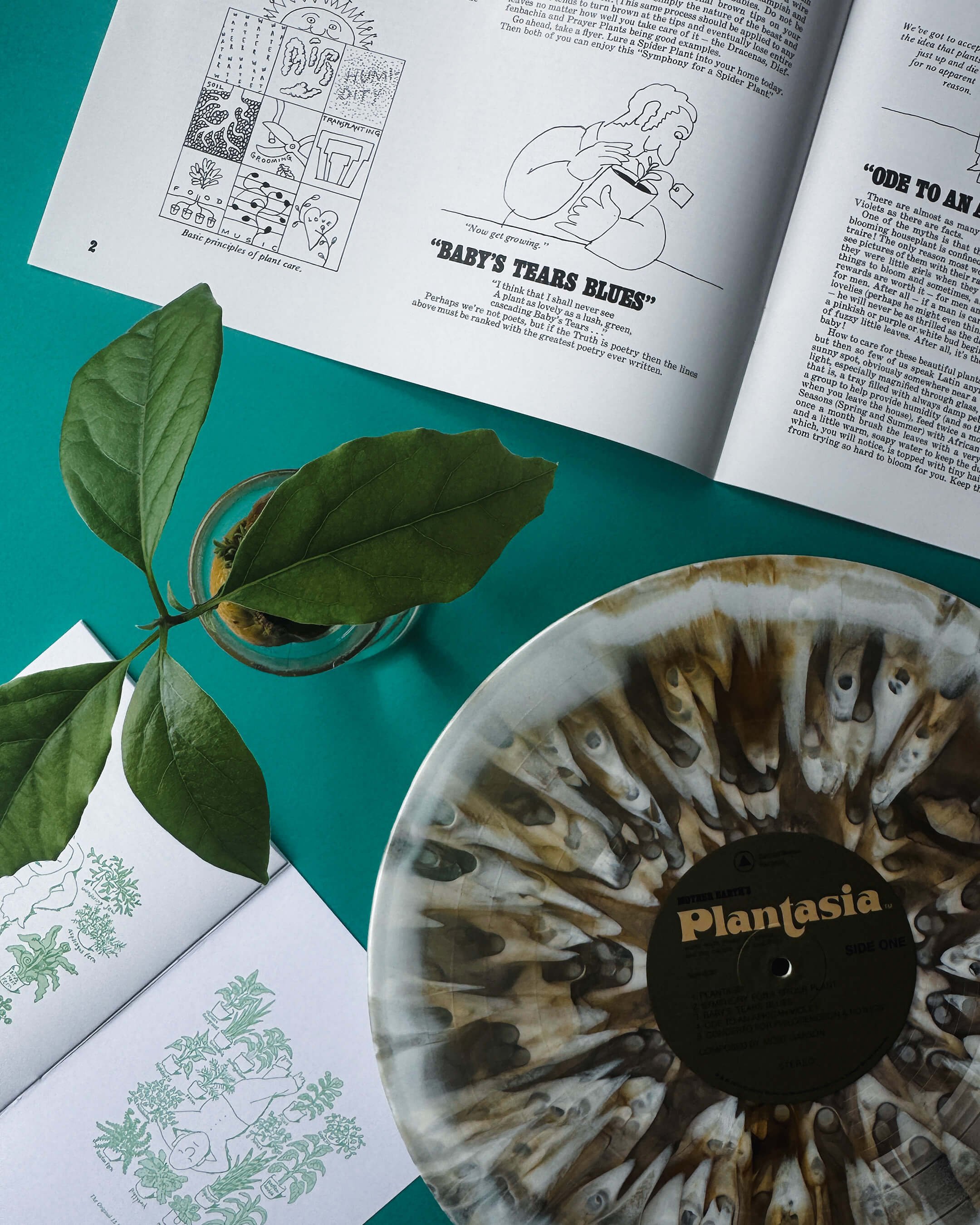
Mort Garson - Mother Earth’s Plantasia (50th Anniversary Edition)
50 years after its original release, Mother Earth’s Plantasia marks a major anniversary moment. Half a century on, it continues to resonate - an enduring reminder of Mort Garson's ability to make the synthetic feel strangely alive and the whimsical feel oddly profound.

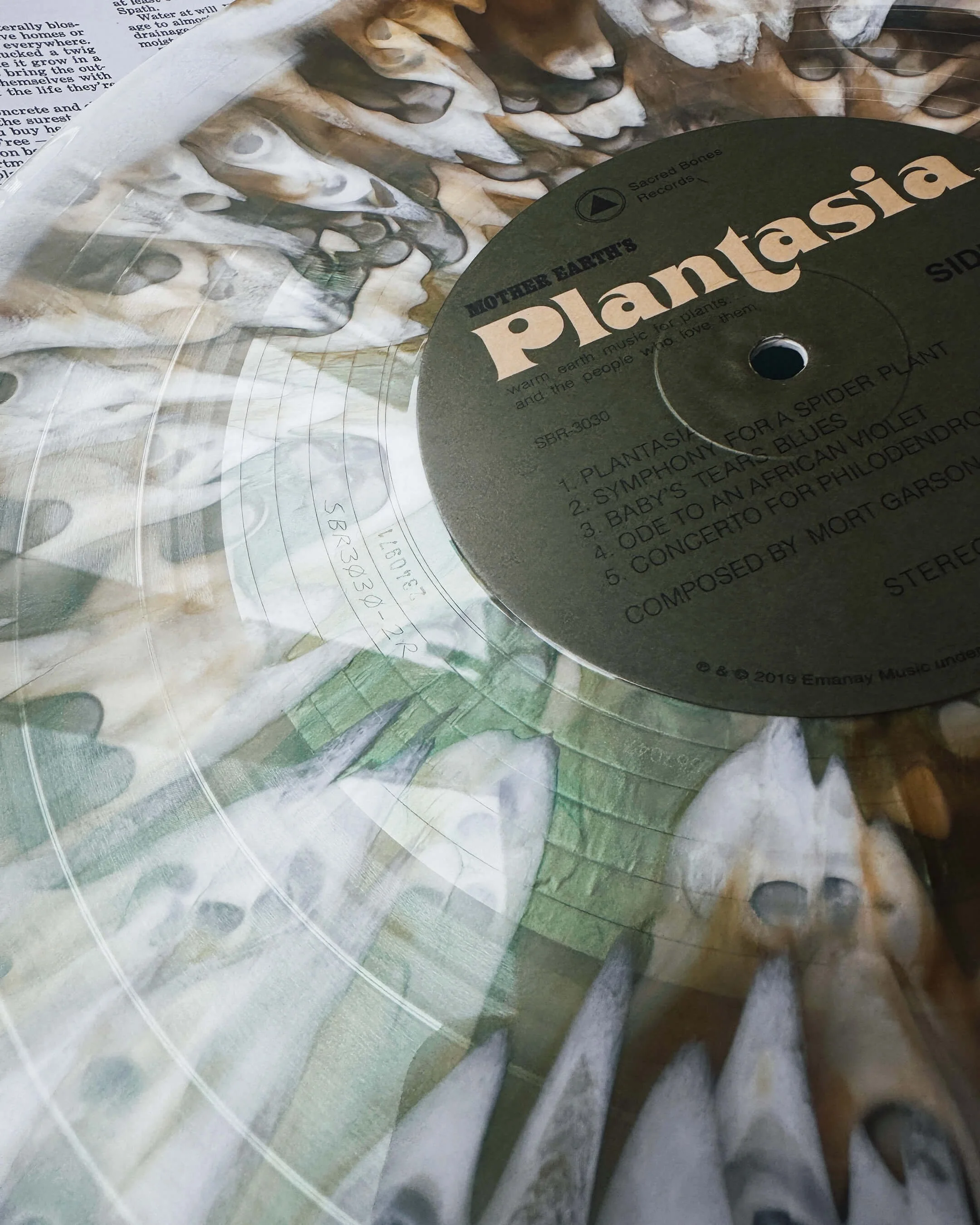
- Spruce coloured vinyl*
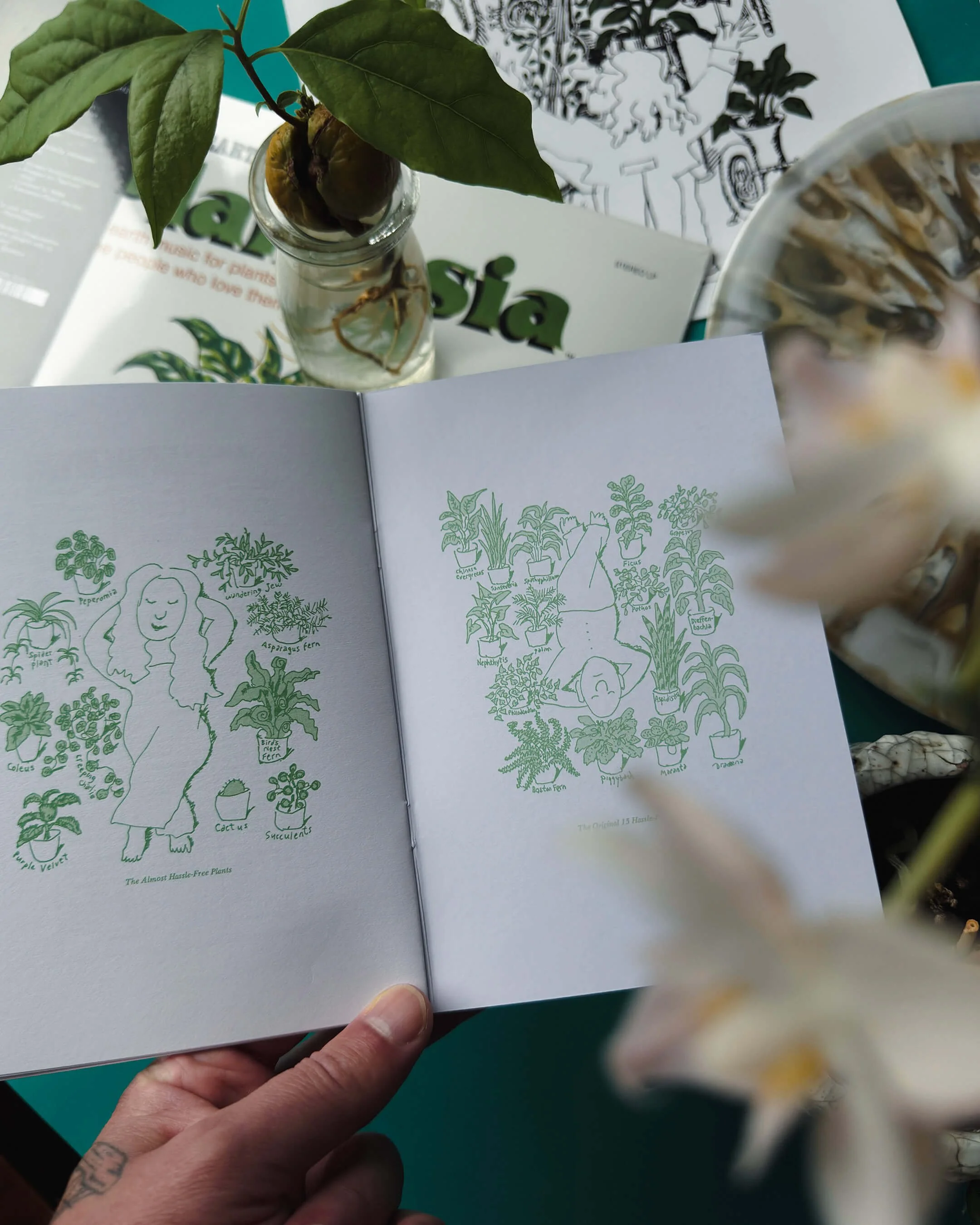
- 4.5" x 7" Plant Journal*
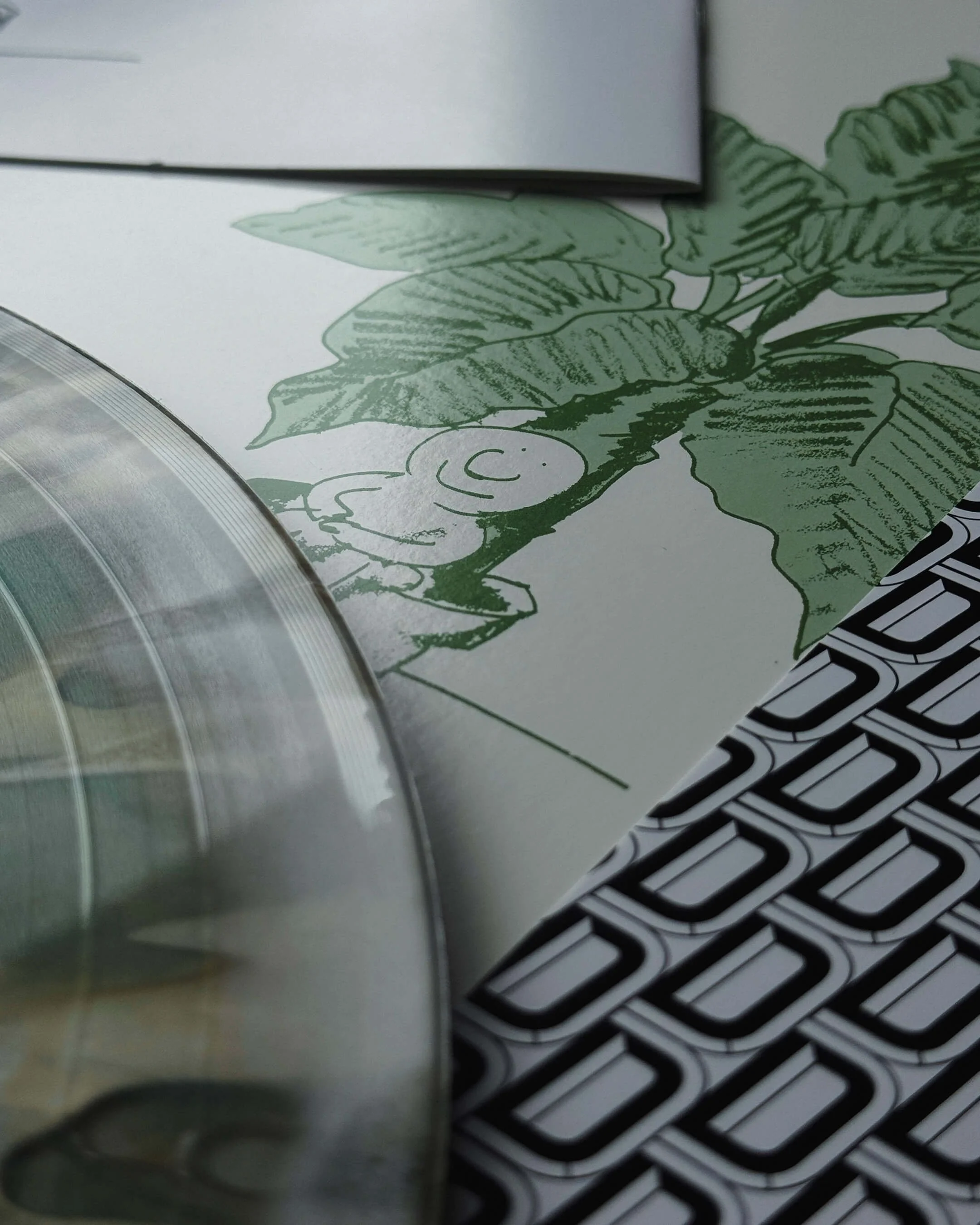
- 11” x 11” liner notes
- Limited pressing of 1500*
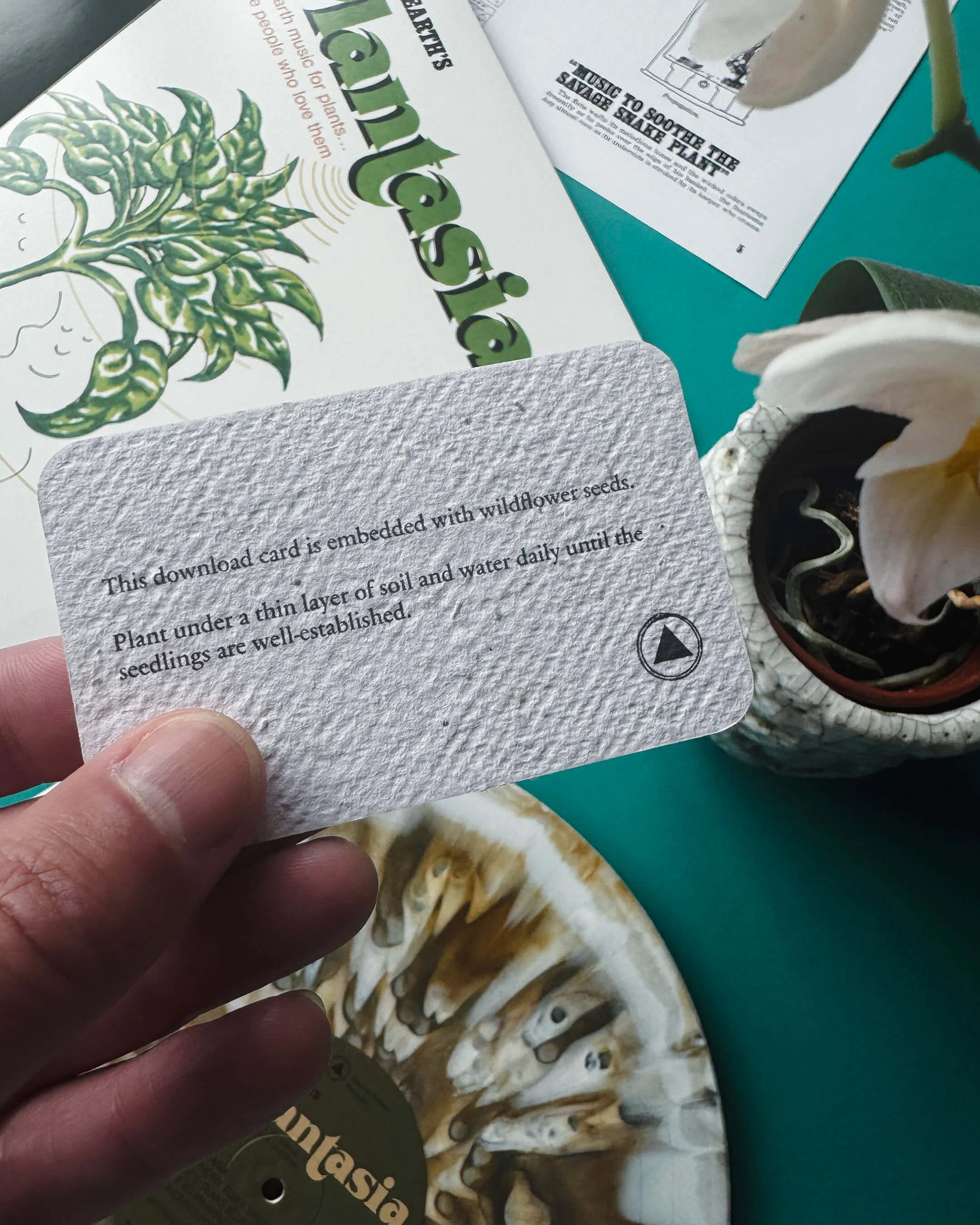
- Each record comes with a plantable download card printed on seed paper
*EXCLUSIVE to Dinked Edition
Dinked International Edition 5
4th September 2026
Sacred Bones Records
@mort.garson“It’s hard not to smile at the oddball charm of this strange enterprise.”
In the mid-1970s, a force of nature swept across the continental United States, cutting across all strata of race and class, rooting in our minds, our homes, our culture. It wasn’t The Exorcist, Goodbye Yellow Brick Road, or even bell-bottoms, but instead a book called The Secret Life of Plants. The work of occultist/former OSS agent Peter Tompkins and former CIA agent/dowsing enthusiast Christopher Bird, the book shot up the bestseller charts and spread like kudzu across the landscape, becoming a phenomenon.
Seemingly overnight, the indoor plant business was in full bloom and photosynthetic eukaryotes of every genus were hanging off walls, lording over bookshelves, and basking on sunny window ledges. The science behind Secret Life was specious: plants can hear our prayers, they’re lie detectors, they’re telepathic, able to predict natural disasters and receive signals from distant galaxies. But that didn’t stop millions from buying and nurturing their new plants.
Perhaps the craziest claim of the book was that plants also dug music. And whether you purchased a snake plant, asparagus fern, peace lily, or what have you from Mother Earth on Melrose Avenue in Los Angeles (or bought a Simmons mattress from Sears), you also took home Plantasia, an album recorded especially for them. Subtitled “warm earth music for plants… and the people that love them,” it was full of bucolic, charming, stoner-friendly, decidedly unscientific tunes enacted on the new-fangled device called the Moog.